
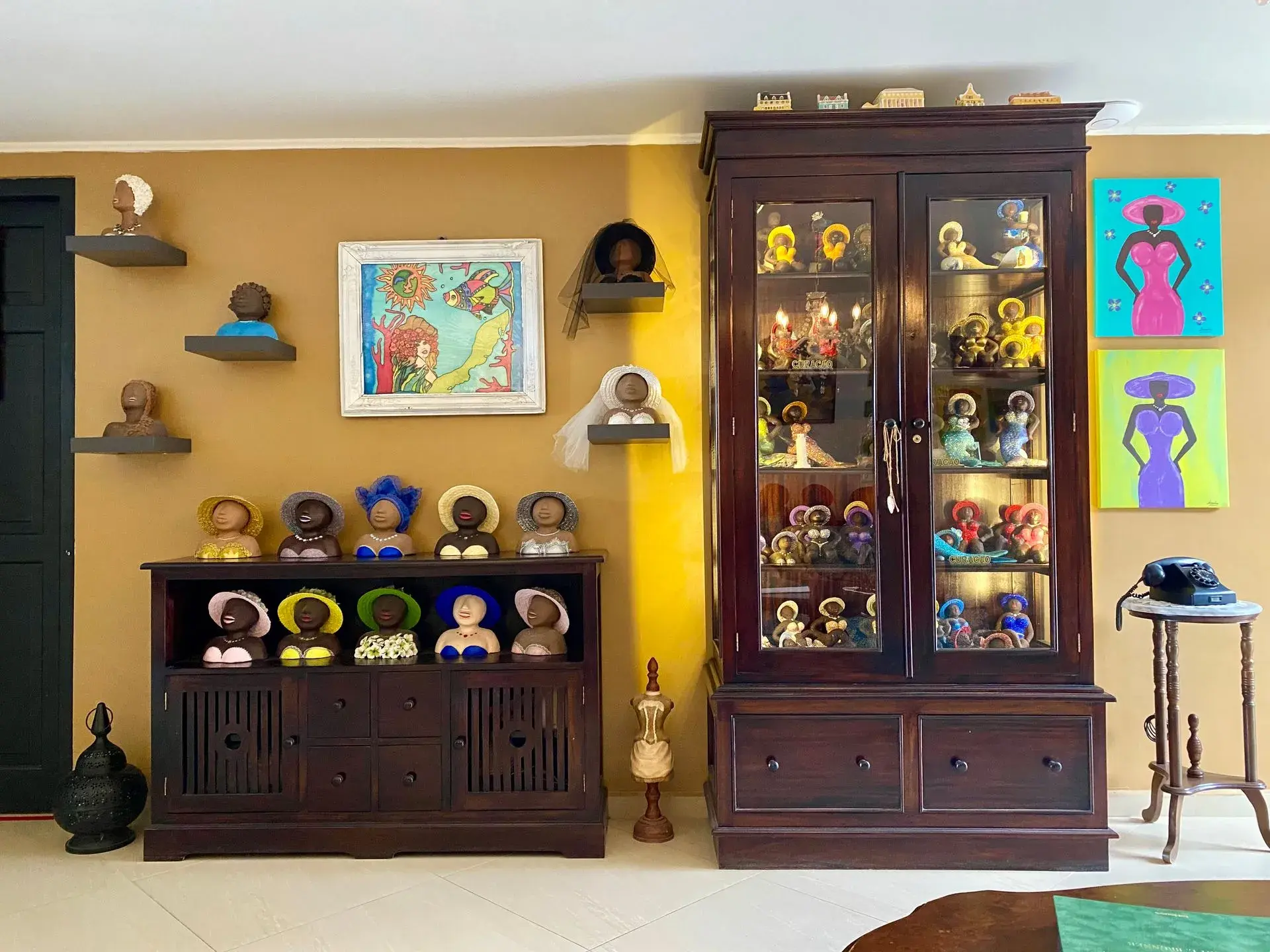
The unique Amalia sculptures give our courtyard its character, while the ceramic figurines have found a place in our living room. All Amalia sculptures are hand-made in cement by Haitham — an elegant woman from Curaçao with South American roots, a tribute to the original inhabitants of the island.
Some of the ceramic figurines have travelled to far places — the USA, Italy, the Netherlands, Belgium, Germany, Brazil, Israel and Australia. Our living room also displays paintings by André Nagtegaal and Omar Maduro, among others. The second name after “Amalia” was chosen as a tribute to a woman who played an important role in Haitham's life.
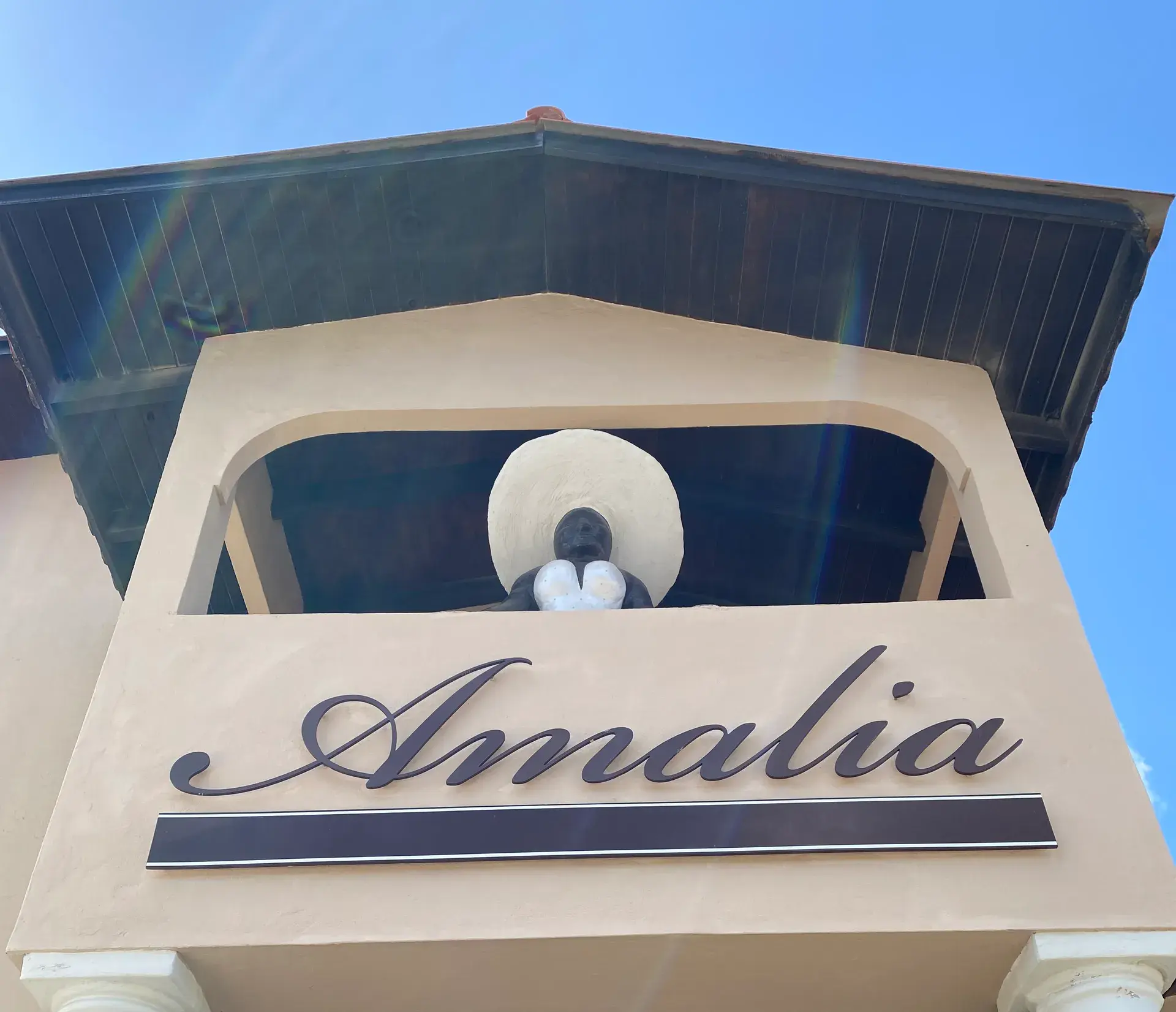
Badiha was Haitham's grandmother. She came from Lebanon, was strict with her grandson and had high expectations of him — and was a very proud grandmother.
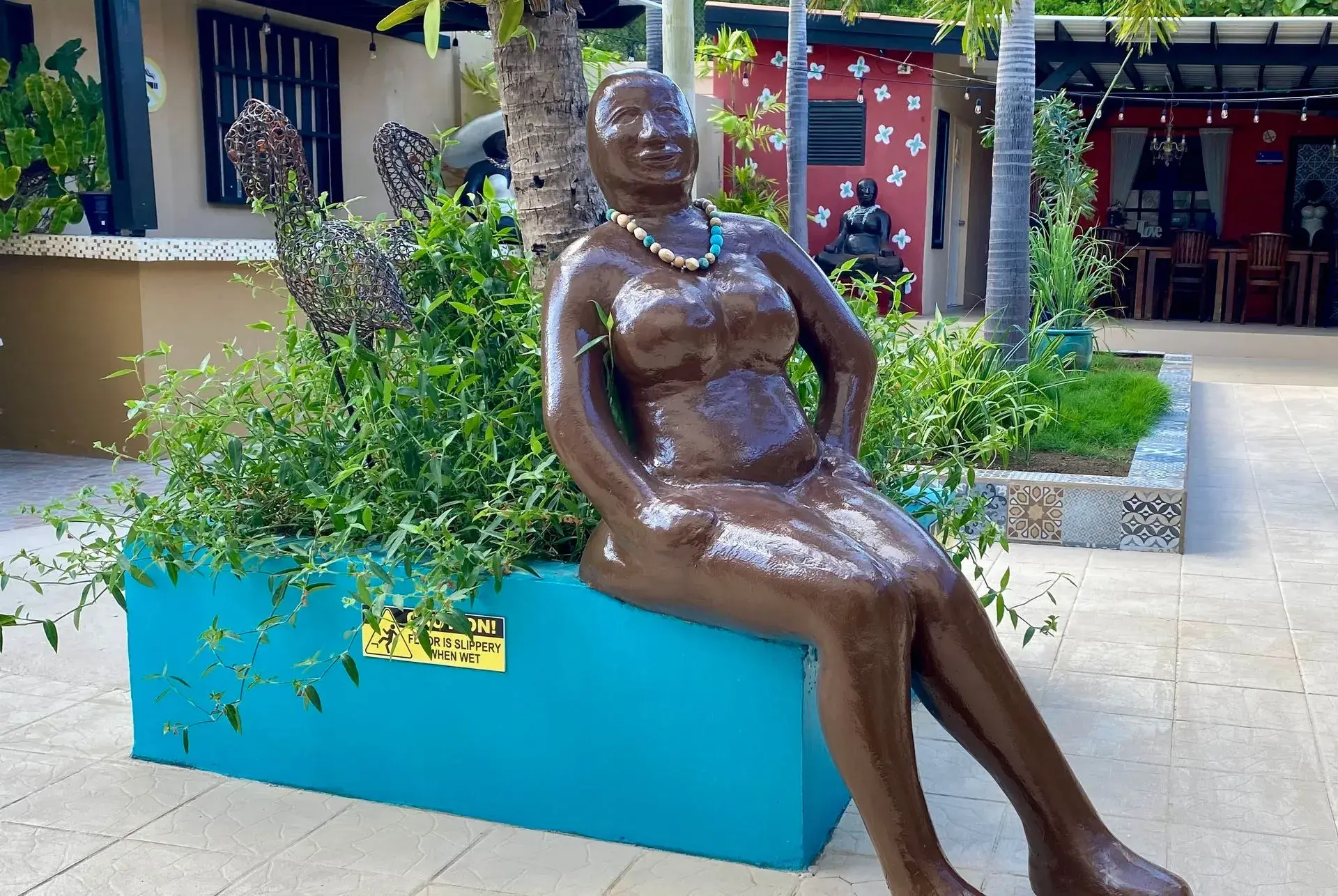
Betty came from St. Vincent and was Haitham's nanny. Very kind, but firm in raising him. She lives in Canada now.
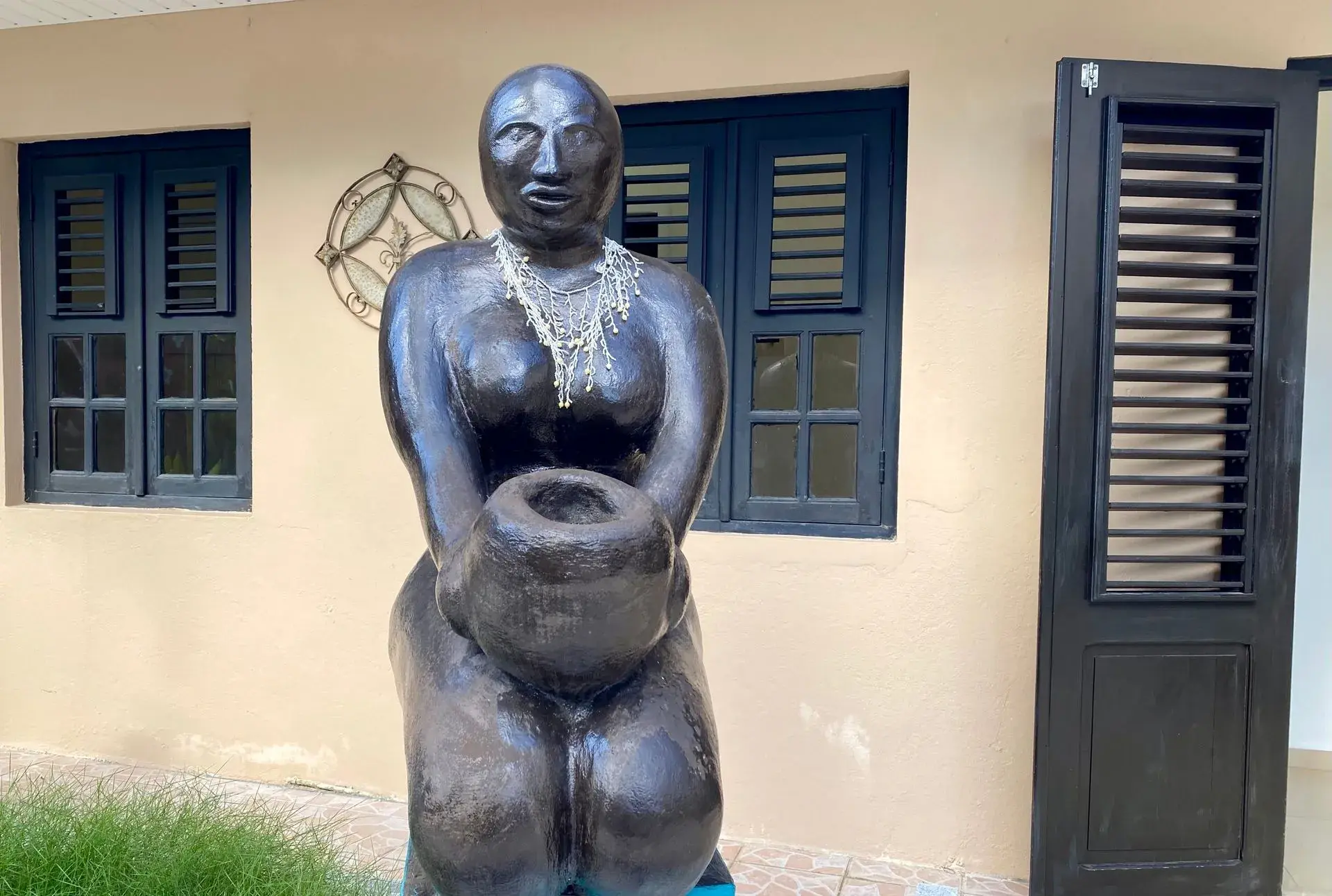
Elba was Haitham's godmother. Very kind, and a wonderful cook. Her home was always open to everyone.
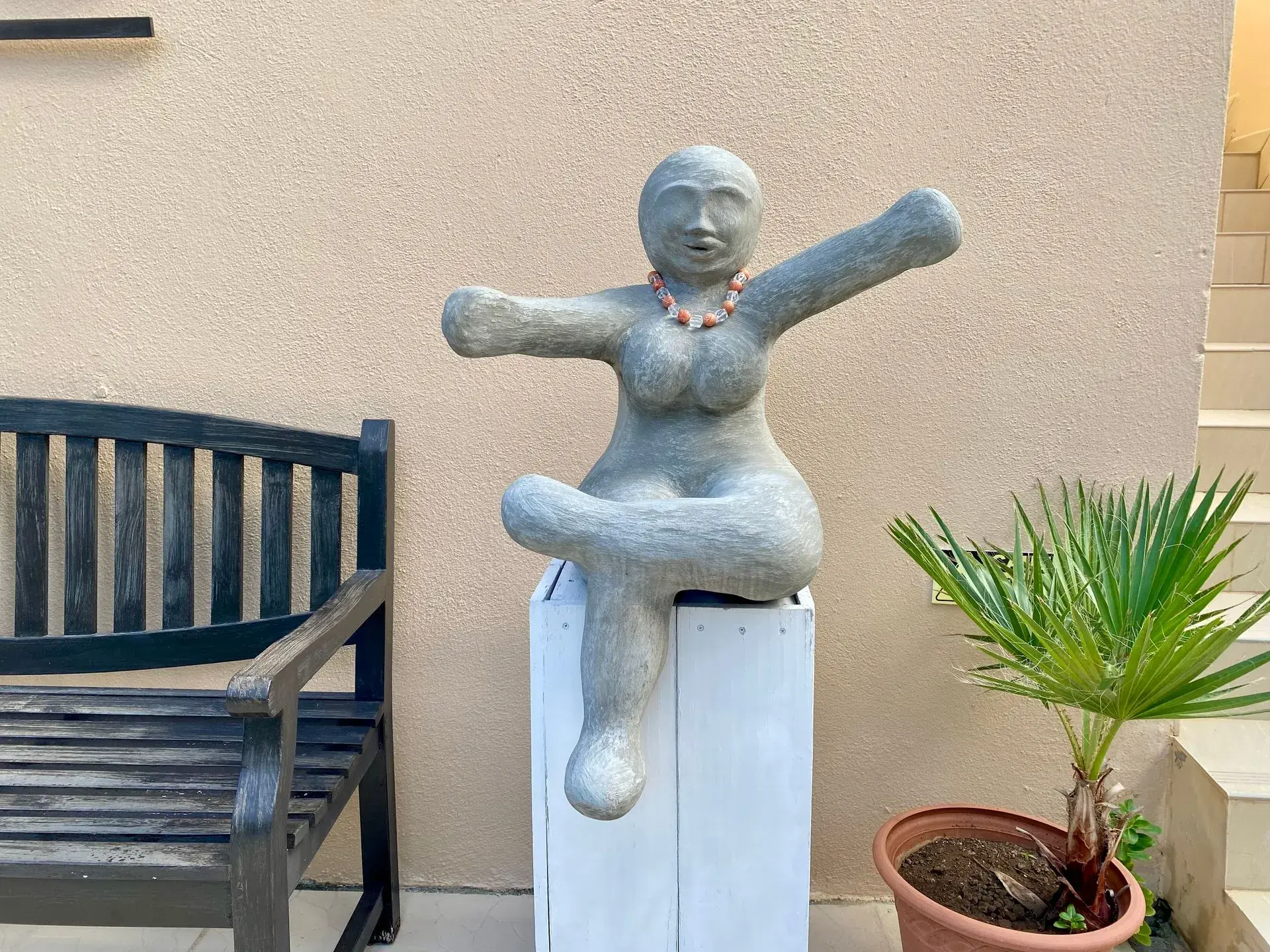
Rüna was Haitham's mother. Thanks to her, he received the financial foundation to start his first businesses. The best mother a son could have — her love, her upbringing and her guidance took her children far.
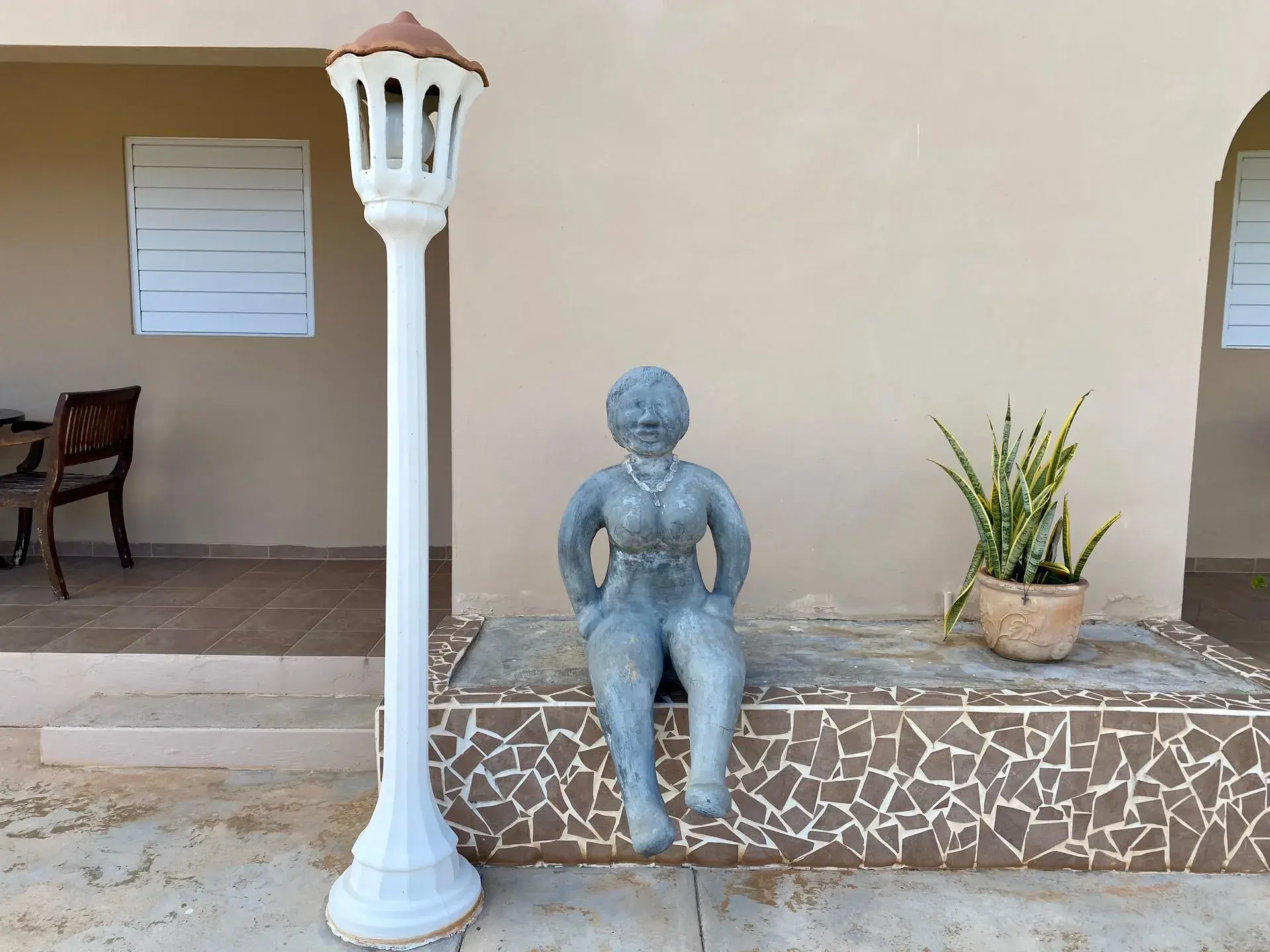
Lenny was Haitham's aunt. Together with Rüna and Elba, she is one of the three women who gave Haitham life, love and an upbringing. Lenny gave the Christmas season its magic.
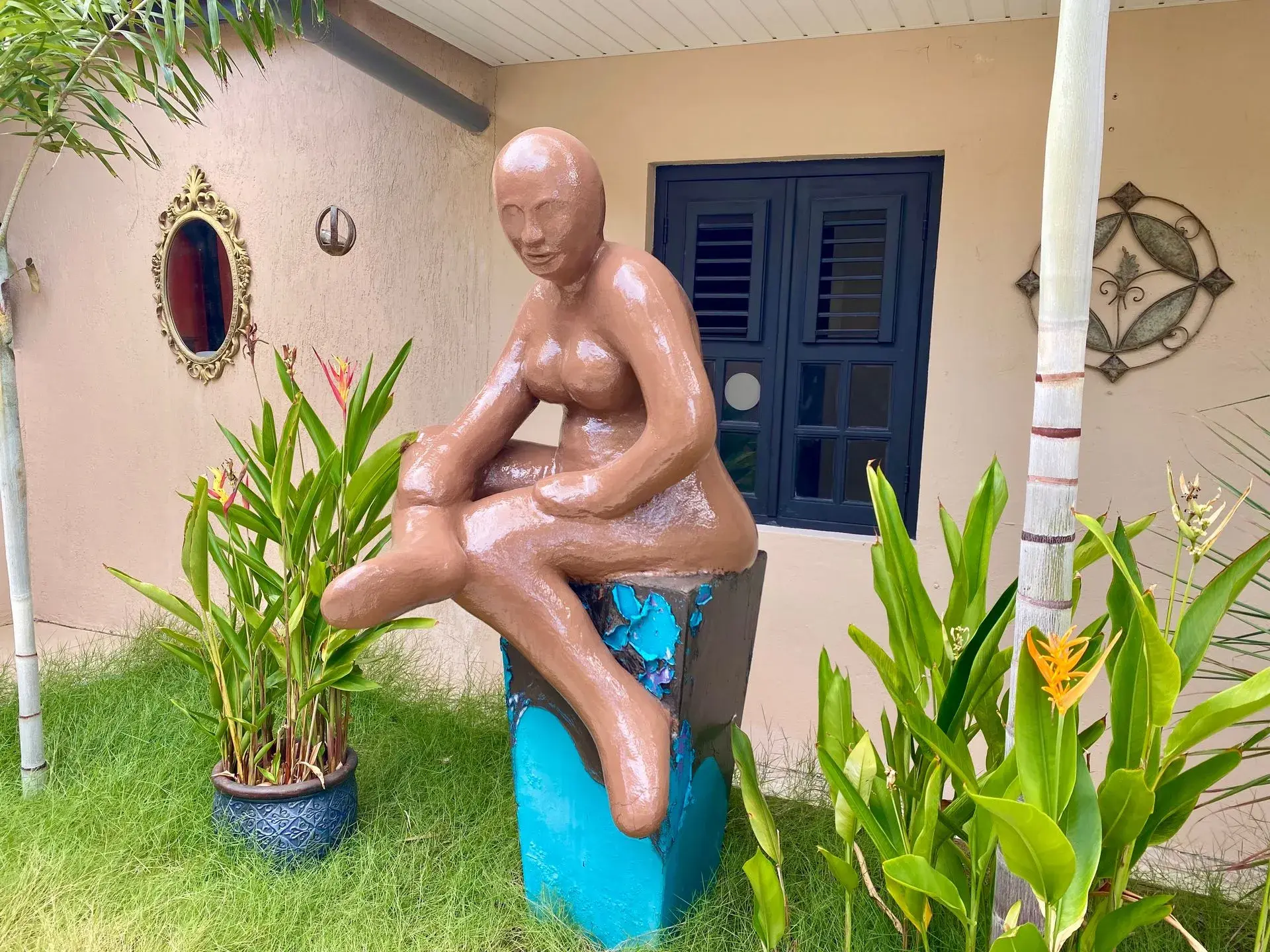
Danielle is Haitham's daughter. She plays the violin, sings, and draws beautifully. She will take over Casa Amalia from her father.
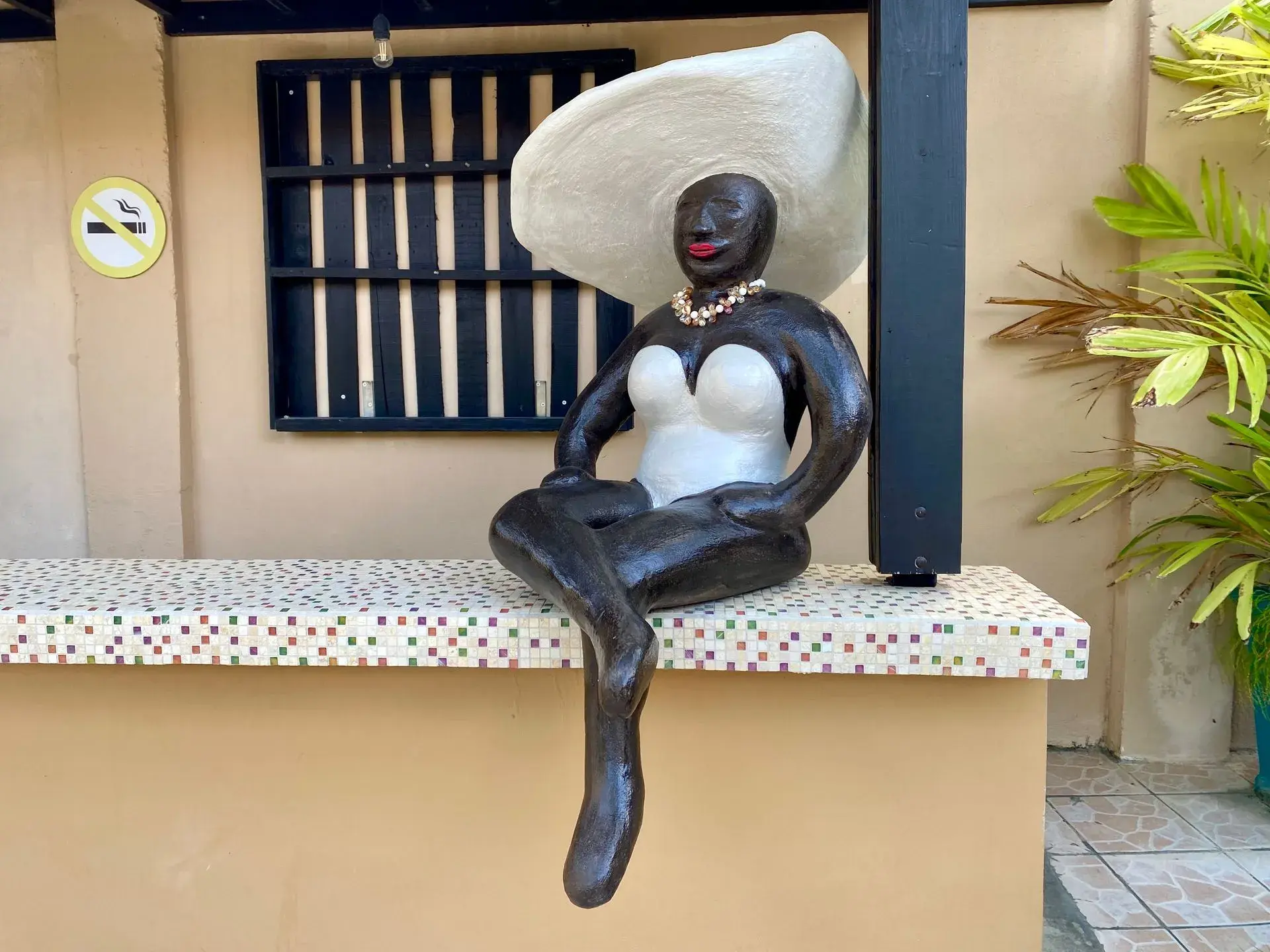
Nadine is Haitham's niece. An animal lover — she keeps trying to convince Haitham to adopt a cat or dog, but that's just not his thing.
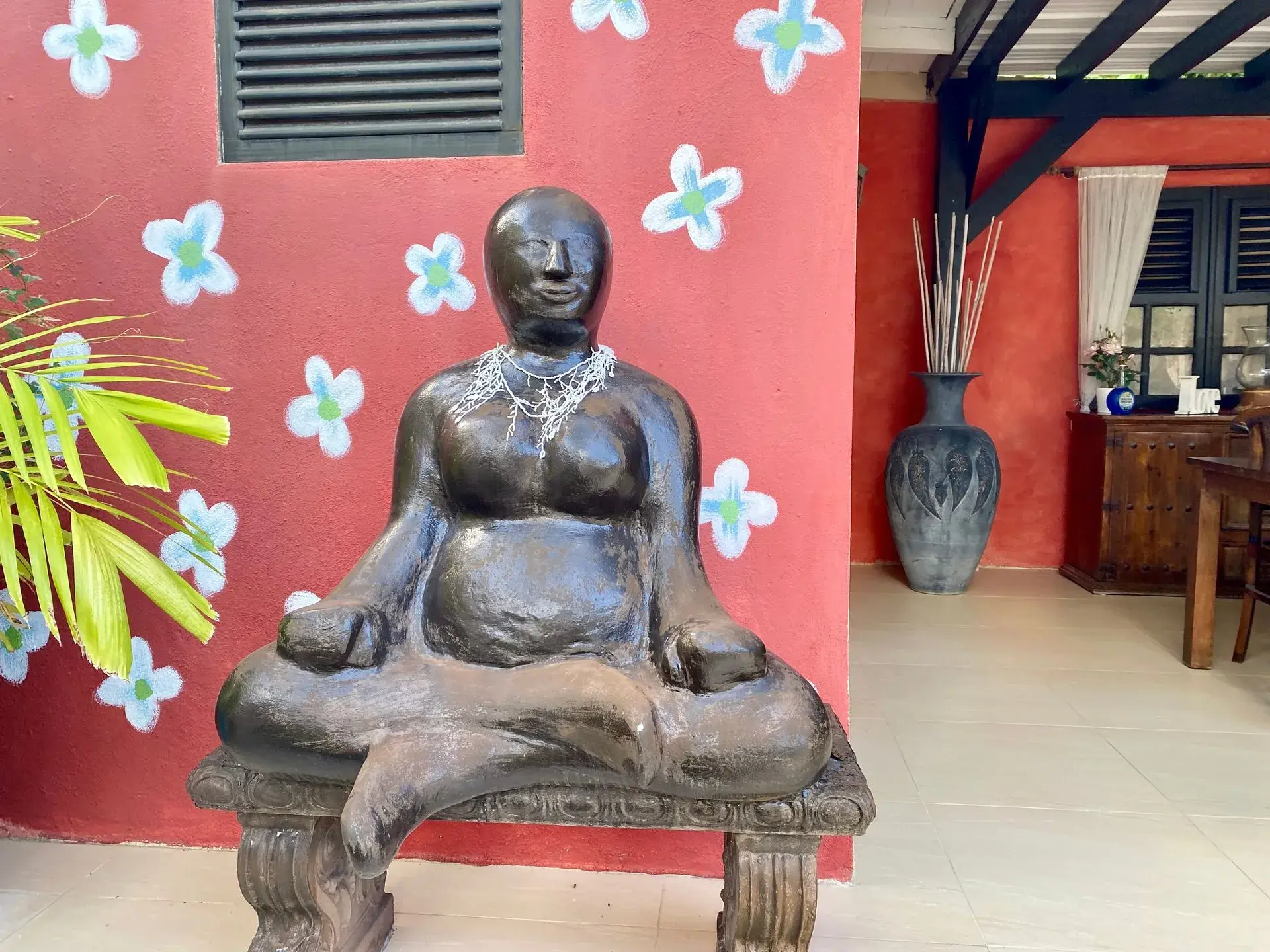
Carla is a good friend of Haitham — let's call her his big sister.
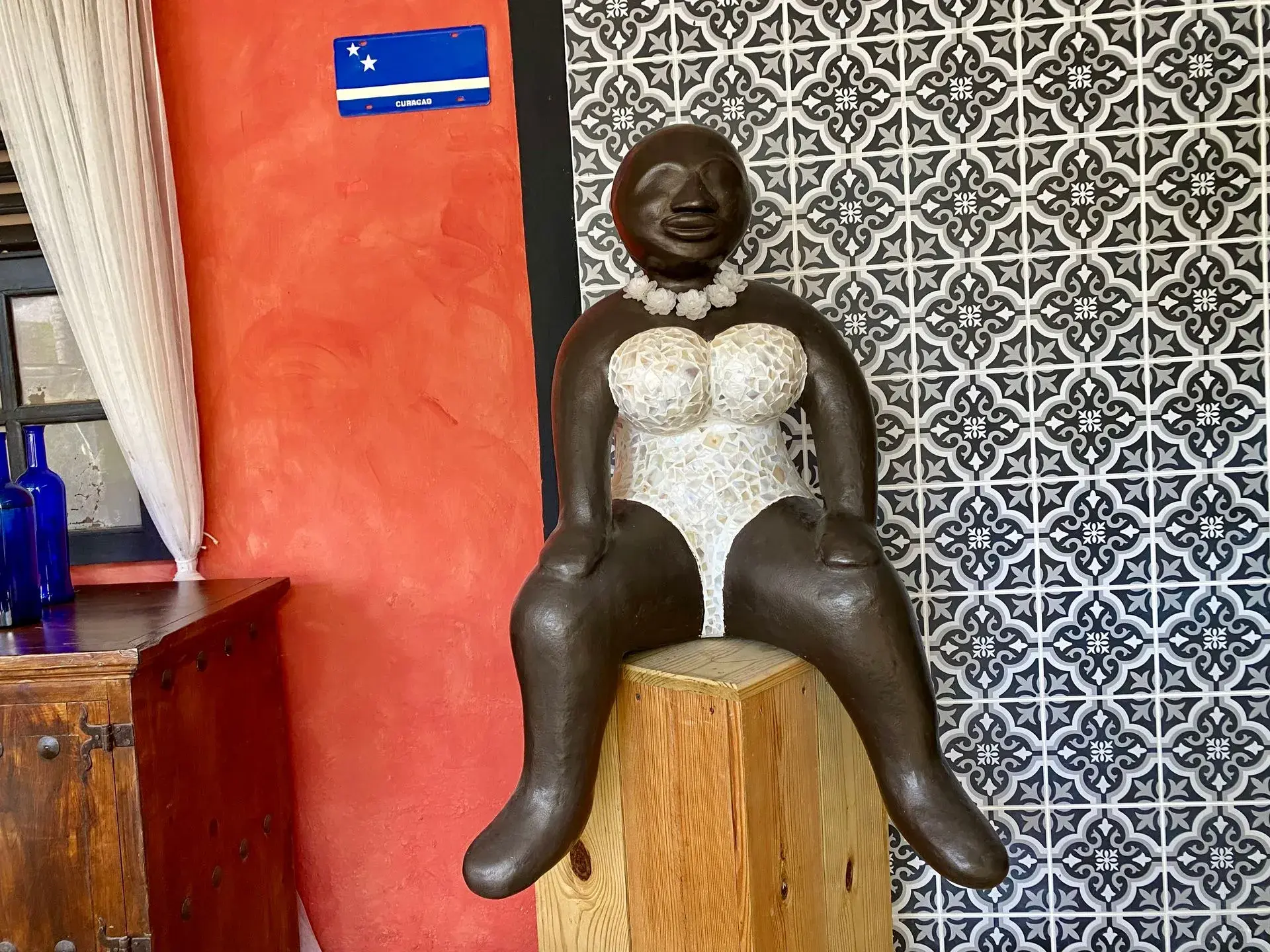
This sculpture has no second name — she represents all the others. The only one with a mosaic swimsuit. In our region, women are always neat and clean, and this Amalia stands for the beauty of South American women.
Haitham was born on Curaçao on February 5, 1969. His father was the son of a Lebanese immigrant, while his mother had Spanish, German, and South American roots. At the age of 18, Haitham became a flight attendant, allowing him to travel the world while exploring what he wanted to do with his future. Initially, he dreamed of becoming a pilot, but he soon realized that although he loved traveling, he preferred sitting in first class rather than working on the aircraft. He then considered a career in architecture, as he had a passion for designing buildings and was fascinated by historical architecture, particularly Italian and Middle Eastern styles. During his years as a flight attendant, Haitham stayed in countless hotels around the world. It was during these travels that he discovered another dream: one day owning a small boutique hotel in Curaçao. When he shared this ambition with his parents, his father laughed at the idea, while his mother encouraged him to pursue his dream, reminding him of the great responsibility that came with it. Later in life, Haitham discovered a hidden talent and developed a passion for creating the Amalia sculptures. He pursued this craft purely for personal enjoyment rather than commercial gain.